Roots in the Real World
Whether you’re craving an epic fantasy adventure or love geeking out over intricate world-building, Legends of Alehl has something for you! For those ready to dive into a gripping tale of ancient oracles and political intrigue, grab a copy today!
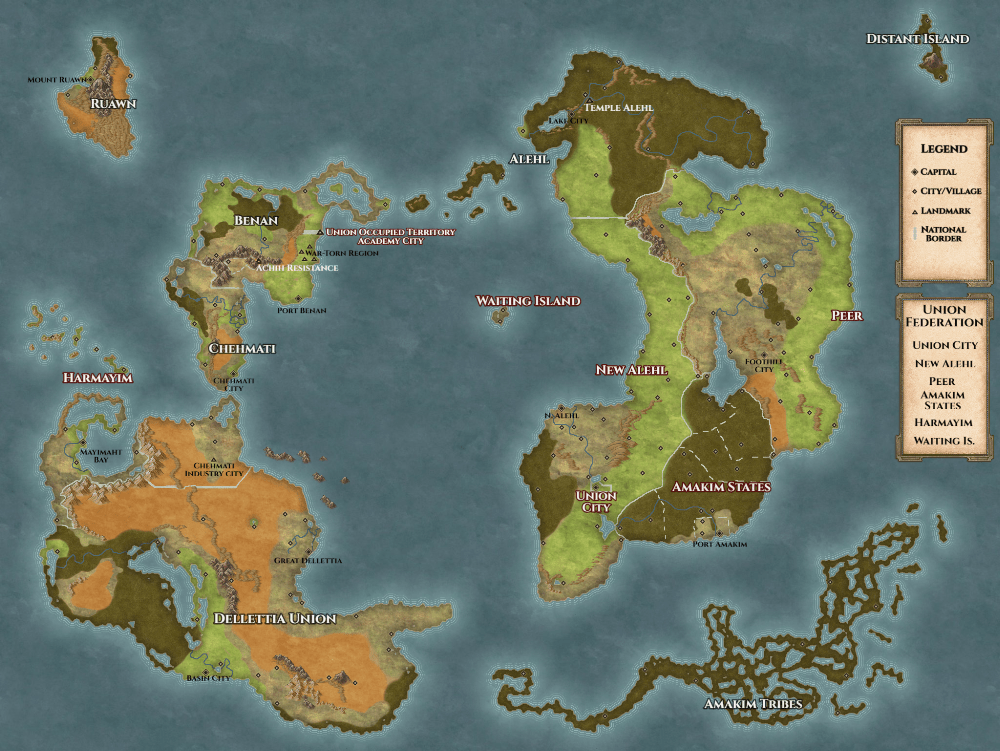
Curious about how I crafted the world of Legends of Alehl? Today’s post explores the ancient linguistic roots behind its nations and recurring characters. If you’re like me and enjoy geeking out over world-building, today’s article is for you. If that’s not your style, you might be more interested in reading a free sample section.
In Legends of Alehl, I wanted to use archaic names that were consistent with the vibe of a story where ancient oracles lurk in the background of the narrative.
Many of the names in the Legends of Alehl Series are derived from real-world ancient languages. Some, like Petra and Ophir, are well-known names. Others are less common or invented names that directly or indirectly use actual ancient languages to inform the meaning.
Today, I want to take a look at their origins.
The Nations in Legends of Alehl
Alehl – Hebrew origin. A stylized combination of “ala”, meaning “to swear” or “to curse” and “el”, meaning “God”. The name means “Oath of God”, or if you come from a somewhere with a disdain for Alehlians, it could mean “Curse of God”
Amakim – Hebrew origin, stylized. The name means “from the valleys or lowlands”. Symbolically, the name means “from the depths”, highlighting the humble position of the Amakim throughout the series
Peer – English origin and admittedly not ancient. “To look with difficulty”, or “equal in rank or status”. Peer is juxtaposed with New Alehl, where they represent a nation of equal status within the Union Federation.
Benan – Kannada origin, stylized. It means “great in quantity, amount, or degree”. This is representative of the many ethnicities on the Benan continent. Kannada is a Dravidian language spoken in the state of Karnataka, India. Similar to India, Benan is filled with many ethno-linguistic groups that are often misunderstood by outsiders who do not perceive the various cultural beauties and nuances of Benan’s multitude of ethnicities.
Chehmati – Very stylized, combining Arabic and modern English. The name means “chemical death”. “Chehm” stylized from the English “Chemical”. The Arabic word “mata”, means “to die”.
Harmayim – Hebrew origin. “Har” means “mountain”. “Mayim” means “water”. The Harmayim are the people from among the sea mountains. Many of the islands of Harmayim are volcanic islands, and their southern border is shaped by the massive mountain range near Mayimaht Bay.
Dellettia – Combination of Prakrit and Italian origin. Yes, an odd mix! The Dellettia Union is an eclectic collaboration of monarchies and ruling tribes. Their only connection is the massive continent they share. Stylized, from the Italian word “Delle”, which means “of the” and in Prakrit, “many”. Dellettia means “Of the Many”
Achih – Hebrew origin, stylized. Means “my brother”
Ruawn – Irish/Gaelic, stylized. It comes from “Ruan”, which is of Irish origin and means “little red-haired one”. It is derived from the Gaelic “ruadh”, which means “reddish”. Ruawn is an isolated island nation. Their massive mountain peaks have a reddish hue, especially when viewed at a distance by sea voyages approaching the island.
Mayimaht Bay– Hebrew origin, stylized. A combination of “Mayim” and “ma’at”. “Ma’at” can mean “small”. The translation is, “small water”, signifying the bay, or “small waters” that are protected from the greater sea.
Lorsan – Latin origin, stylized. “Lor” meaning “of the”, and “san”, meaning “whole, healthy”.
The Characters of Legends of Alehl
Many of the character names follow the same logic as the nations. Some names hint at the character’s purpose in the novel, while others were selected simply because I liked the sound of the name. As to not give away any spoilers, I will not comment on the reasoning behind the name meanings.
Natan – Hebrew origin, means “to give”. The name symbolizes generosity and the giving of one’s life for others.
Petra – Greek origin, means “rock”.
Ophir – Hebrew, or possibly Phoenician origin. The name’s meaning is uncertain and often debated. It could mean “riches” or “wealth”. It is possibly derived from a verb that means “exhausted” or “depleted”. On the other hand, it could come from a noun that means “covering or bandage”, symbolic of healing. It may also be derived from a noun that means “ashes”. Ophir is a mystery.
Noah – Hebrew origin, most common meaning is “rest”. It is also possibly derived from related Hebrew verbs that mean “to descend”, “to lead/guide”, or “to wander”.
Liora – Hebrew origin, meaning “my light”.
Avi – Hebrew origin, meaning “father”.
Ayala – Hebrew origin, meaning “gazelle” or “doe”
Har–Echelosh – The name is a bit of a convoluted play on words that I created to help me remember the character’s personality and temperament during story development. While “har” means “mountain” in Hebrew, which is the inspiration behind the Harmayim name, for the character Har-Echelosh, the name means something different. In this instance, “Har” comes from the Germanic “hoar”, meaning “old, grey”. “Eche”, from Old English and traced to Proto-Germanic, meaning “eternal” or “perpetual”. Finally, from German “losch”, meaning “elk”, which is a euphemism for “lord”. She is the “old, grey, eternal, lord”, or at least that might be how Har-Echelosh views herself. It is probably best to not think about this one as much as I have.
Keleszwith-Rama-Latechki, “K” – This means absolutely nothing. I tried to come up with a name too difficult to pronounce on a quick reading. I did it for the running gag.
Scalish – Latin origin, stylized. From the noun “scala”, meaning “staircase” or “ladder” Metaphoric meaning, “ascending”
Delilah – Hebrew origin, meaning “to draw out”, “to hang”, or “to transport”. The colloquial and historical meaning of Deliah is “a seductive or treacherous woman”. The Delilah character in Legends of Alehl is depicted as orderly, obedient to authority, and is contrasted to her Harmayim countrymen who are portrayed as the opposite. On the surface, Delilah is intended to mean the opposite of what you think it should mean.
Puah – Hebrew origin, meaning “splendid” or “brilliant”
Eli – Hebrew origin, meaning “high” or “ascended”
Azaad – Persian origin, meaning “free”, “liberated”, or “noble”
Shophet – Hebrew origin, meaning “judge” or “ruler”. Found in other Semitic languages, such as Ugaritic and Phoenecian, meaning “community leader” or “magistrate”
Moshe – Hebrew origin, meaning “to draw out of the water”. Moses. Hopefully, naming a sailor Moshe isn’t too on the nose.
Locan – Entirely made up. I thought it sounded like a good name. It is a Scottish and Irish surname. Also, “locana” means “eye” in Sanskrit. But really, there was no thought behind this name.
Gadohl – Hebrew origin, meaning “big” or “great”.
Amerhin – Don’t judge me on this one. “Amer” is just the beginning of “America”. “Hin” is a liquid measurement in Biblical Hebrew. By my measure, Amerhin is a metaphor for democracy, freedom, and political ambition.
Buy Legends of Alehl: Oracle of the Terebinth today!
E-Books available at the following retailers:
Amazon
Barnes & Noble
Apple
Click here for many other retailer options!
Print Release Date is October 9th, 2025!

 Marek J. Scott
Leave a comment